Introduction
Have you ever opened your wardrobe and felt like you had plenty of clothes but nothing that truly felt right to wear? This is a common experience for many people. Fashion trends change every season, social media constantly introduces new styles, and it can become difficult to understand what actually suits you.
Finding your personal style is not about wearing expensive clothes or following every new trend. It is about understanding what makes you feel comfortable, confident, and authentic. Your personal style reflects your personality, lifestyle, preferences, and the way you want to present yourself to the world.
Many people buy clothing simply because it is trending, only to realize later that those pieces remain unused in the wardrobe. Others struggle to mix and match outfits because they never developed a consistent style. Building a personal style helps eliminate this confusion and makes getting dressed easier every day.
In this guide, you’ll learn what personal style really means, why it matters, and how you can begin creating a wardrobe that works for your body, lifestyle, and goals.
What Is Personal Style?
Personal style is the unique way you choose clothing, accessories, colours, and outfits to express yourself. It is not limited to one fashion trend or one particular type of clothing. Instead, it is a combination of choices that consistently reflect your personality and preferences.
Your style develops over time through your experiences, profession, daily routine, interests, and comfort level. Someone who spends most of their day in a creative environment may naturally prefer relaxed and expressive clothing, while someone working in a corporate setting may lean toward polished and structured outfits.
Personal style is also practical. It should suit your climate, your activities, and your budget. A great wardrobe is not necessarily the biggest one—it is the one where most pieces work well together and make you feel confident.
Think of personal style as your visual identity. Just as your voice and personality are unique, your clothing choices can become a signature that represents who you are.
Why Is Personal Style Important?
Developing your personal style offers many benefits beyond simply looking fashionable.
1. It Builds Confidence
When you wear clothes that genuinely suit you, you naturally feel more comfortable and self-assured. Confidence often comes from feeling authentic rather than trying to imitate someone else.
2. It Saves Time
A well-planned wardrobe makes daily outfit decisions much easier. Instead of spending time wondering what to wear, you’ll already have clothing that works well together.
3. It Reduces Unnecessary Shopping
Many people buy clothes on impulse because they follow trends instead of their own needs. Understanding your personal style helps you make smarter purchasing decisions and avoid wasting money on items you rarely wear.
4. It Creates Consistency
Having a consistent style means your wardrobe feels more organized. Shirts, trousers, jackets, and accessories complement each other, making it easier to create complete outfits.
5. It Reflects Your Personality
Clothing is one of the first things people notice. Your style can communicate creativity, professionalism, simplicity, confidence, or elegance without saying a word.
6. It Encourages Smarter Fashion Choices
Rather than buying more clothes, you begin investing in better-quality pieces that last longer and remain useful across different occasions.
7. It Supports Sustainable Fashion
Buying only what you truly need reduces waste and encourages a more thoughtful approach to fashion. A carefully selected wardrobe is often more sustainable than constantly chasing short-lived trends.
Signs You Haven’t Found Your Personal Style Yet
Many people believe they have a fashion problem when, in reality, they simply haven’t discovered their personal style. If you often feel confused while shopping or getting dressed, the following signs may sound familiar.
1. Your Wardrobe Is Full, But You Have Nothing to Wear
One of the biggest signs is opening your wardrobe and feeling like nothing looks right.
You may own dozens of T-shirts, jeans, shirts, or jackets, yet none of them seem to work together. This usually happens because the clothes were purchased randomly instead of following a clear style direction.
Instead of building a wardrobe around your needs, you may have collected individual pieces that don’t match your personality or lifestyle.
2. You Buy Clothes Because They’re Trending
Fashion trends appear every season. Oversized T-shirts, cargo pants, graphic prints, monochrome outfits, and many other trends become popular quickly.
However, not every trend suits everyone.
If you regularly buy clothes just because influencers or celebrities are wearing them, you may end up with a wardrobe that doesn’t feel like “you.”
Your personal style should guide your purchases—not social media trends.
3. You Feel Uncomfortable in Your Outfits
Have you ever worn something that looked good on the hanger but didn’t feel right once you put it on?
Feeling uncomfortable often means the clothing doesn’t match your personality, body type, or lifestyle.
Comfort is one of the strongest indicators that you’ve found your own style.
4. Your Clothes Don’t Match Each Other
If every shopping trip results in buying a different style, your wardrobe becomes difficult to coordinate.
For example:
- A formal blazer with only casual joggers.
- Bright printed T-shirts with formal trousers.
- Shoes that match only one outfit.
When clothing pieces don’t work together, creating outfits becomes frustrating.
5. Shopping Feels Confusing
Walking into a clothing store should not feel overwhelming.
If you constantly ask yourself:
- Should I buy this?
- Will this suit me?
- What colour should I choose?
- Is this still in fashion?
…then you probably haven’t identified your personal style yet.
Knowing your preferences makes shopping much faster and easier.
6. You Copy Other People’s Style
It’s completely normal to take inspiration from others.
The problem begins when every outfit you wear is copied from someone else without considering whether it suits your own appearance or lifestyle.
Use inspiration as a starting point—not as a rulebook.
7. You Frequently Regret Your Purchases
Impulse buying is another common sign.
If many clothes still have tags on them months after purchase, it usually means they were bought emotionally rather than intentionally.
Developing your personal style helps reduce these unnecessary purchases.
8. You Don’t Feel Confident in Public
Clothing affects how we feel.
When you’re unsure about your outfit, you may become self-conscious during meetings, social events, or everyday activities.
Finding your personal style helps you wear clothes with confidence instead of constantly worrying about your appearance.
Step-by-Step Guide to Finding Your Personal Style
Discovering your personal style doesn’t happen overnight. It develops gradually as you understand your preferences, lifestyle, and wardrobe needs.
Follow these practical steps.
Step 1: Understand Your Lifestyle
Before buying new clothes, think about how you spend most of your time.
Ask yourself:
- Do I work in an office?
- Am I a student?
- Do I travel often?
- Do I attend formal events regularly?
- Do I prefer comfort over trends?
Your wardrobe should support your daily routine.
For example, if you mostly wear casual outfits, investing heavily in formal clothing may not be practical.
Step 2: Define Your Style Personality
Choose three words that describe how you want your style to feel.
Examples:
- Simple
- Elegant
- Modern
- Confident
- Minimal
- Casual
- Creative
- Sporty
- Professional
These words become your style foundation.
Whenever you shop, ask yourself:
“Does this match my style personality?”
If the answer is no, don’t buy it.
Step 3: Find Inspiration—Don’t Copy
Look for outfit inspiration from:
- Fashion magazines
- Fashion blogs
- Street style photography
Instead of copying entire outfits, notice recurring patterns.
For example:
- Neutral colours
- Relaxed fits
- Minimal accessories
- Layered outfits
- Clean sneakers
Save ideas that genuinely appeal to you and adapt them to your own preferences.
Step 4: Understand What Suits Your Body
The same outfit can look different on different people.
Pay attention to:
- Clothing fit
- Sleeve length
- T-shirt neckline
- Trouser cut
- Fabric type
- Colour combinations
Rather than chasing trends, choose clothes that fit well and make you feel comfortable.
A properly fitted basic T-shirt often looks better than an expensive trend that doesn’t suit your body.
Step 5: Build Your Wardrobe Slowly
Avoid replacing your entire wardrobe at once.
Instead, start with versatile essentials such as:
- Plain white T-shirt
- Black T-shirt
- Navy jeans
- Blue jeans
- Neutral sneakers
- White shirt
- Black trousers
- Lightweight jacket
These basics can be mixed and matched into many different outfits, helping you create a wardrobe that is practical, consistent, and easy to style.
Common Mistakes People Make While Finding Their Personal Style
Finding your personal style is a journey, but many people make avoidable mistakes that waste both time and money. Understanding these mistakes can help you build a wardrobe that truly works for you.
1. Following Every Fashion Trend
One of the biggest mistakes is believing that every trend is worth following.
Fashion trends change quickly. What is popular today may disappear in a few months. Buying every trending item often leads to a wardrobe filled with clothes that don’t match each other.
Instead of asking, “Is this trending?” ask:
“Will I still enjoy wearing this next year?”
Timeless clothing almost always offers better value than short-lived trends.
2. Buying Without a Plan
Many people shop emotionally.
They enter a store looking for one T-shirt but leave with five items they didn’t actually need.
Before shopping, make a simple checklist.
Example:
- White T-Shirt
- Black Polo
- Blue Jeans
- Casual Sneakers
Shopping with a plan reduces unnecessary spending and helps build a more organized wardrobe.
3. Ignoring Proper Fit
Even expensive clothing can look ordinary if the fit is wrong.
Common mistakes include:
- Oversized clothing that looks sloppy.
- Tight clothing that feels uncomfortable.
- Sleeves that are too long.
- Jeans that don’t fit properly.
Always prioritize fit over brand names.
4. Choosing Style Over Comfort
Many people sacrifice comfort to look fashionable.
However, confidence comes naturally when you feel comfortable in what you’re wearing.
Choose fabrics and fits that allow you to move comfortably throughout the day.
5. Buying Too Many Statement Pieces
Bright prints, bold graphics, and unique designs can be attractive, but buying only statement pieces makes outfit planning difficult.
Instead, build your wardrobe around versatile basics and add a few statement items for variety.
6. Ignoring Colour Coordination
Buying random colours often creates a wardrobe where nothing matches.
A good beginner colour palette includes:
- White
- Black
- Navy
- Grey
- Beige
- Olive Green
These colours are easy to mix and match for different occasions.
7. Comparing Yourself to Others
Everyone has a different body type, personality, and lifestyle.
An outfit that looks great on someone else may not suit you in the same way.
Use inspiration to learn, not to compare.
Your goal is to become the best version of your own style—not a copy of someone else’s.
Expert Tips to Build a Timeless Personal Style
Developing great style doesn’t require an expensive wardrobe. Small, thoughtful decisions make the biggest difference.
Tip 1: Buy Quality Instead of Quantity
Five high-quality T-shirts are often more valuable than twenty low-quality ones.
Quality clothing lasts longer, feels better, and maintains its appearance after repeated washing.
Tip 2: Keep Your Wardrobe Simple
A simple wardrobe makes daily outfit planning much easier.
Focus on versatile pieces that can be combined in different ways rather than owning many similar items.
Tip 3: Build Around Neutral Colours
Neutral colours work well together and remain fashionable year after year.
Examples include:
- White
- Black
- Grey
- Navy
- Beige
These colours form the foundation of a flexible wardrobe.
Tip 4: Dress for the Occasion
Your outfit should suit where you’re going.
For example:
- College → Casual T-shirt and jeans.
- Office → Polo or shirt with chinos.
- Party → Layered outfit with accessories.
- Travel → Comfortable clothing and sneakers.
Appropriate dressing leaves a better impression than simply wearing expensive clothes.
Tip 5: Learn Basic Colour Matching
You don’t need dozens of colours.
Start with combinations such as:
- White + Blue
- Black + Grey
- Navy + Beige
- Olive + Black
- White + Denim
Simple colour combinations often look cleaner and more stylish.
Tip 6: Invest in Good Footwear
Shoes complete an outfit.
Even a simple T-shirt and jeans can look polished when paired with clean, well-maintained sneakers or loafers.
Keep your footwear clean and in good condition.
Tip 7: Confidence Is the Best Accessory
The most stylish outfit won’t make a strong impression if you don’t wear it confidently.
Stand straight, smile naturally, and wear clothes that genuinely make you feel comfortable.
Confidence enhances every outfit.
Best Practices for Building Your Personal Style
| Do | Don’t |
|---|---|
| Buy clothes that fit well | Buy only because it’s trending |
| Build a versatile wardrobe | Fill your wardrobe with random purchases |
| Choose quality fabrics | Ignore comfort |
| Wear colours that suit you | Wear colours just because they’re popular |
| Plan before shopping | Make impulse purchases |
| Take care of your clothes | Ignore maintenance and washing instructions |
| Dress for the occasion | Wear the same style everywhere |
| Develop your own identity | Copy influencers completely |
Real-Life Examples
Example 1: College Student
Rahul bought every trending oversized T-shirt he saw online.
After six months, most of them remained unused because they didn’t match his jeans or shoes.
Instead, he built a wardrobe with:
- 3 Plain T-Shirts
- 2 Polo T-Shirts
- 2 Jeans
- 1 White Sneakers
Now he can create more than 15 outfit combinations using fewer clothes.
Example 2: Working Professional
Priya struggled every morning deciding what to wear to work.
She simplified her wardrobe by choosing neutral-coloured tops, trousers, and blazers.
The result:
- Less decision fatigue.
- Better outfit coordination.
- More confidence during meetings.
Example 3: Beginner Fashion Enthusiast
Aman spent most of his budget on expensive branded clothing.
Later he realized that proper fit and colour coordination mattered more than logos.
He shifted his focus to quality basics, and his overall appearance improved while spending less money.
Frequently Asked Questions (FAQs)
1. What is personal style?
Personal style is the way you express yourself through clothing, colours, accessories, and overall appearance. It reflects your personality, lifestyle, and preferences rather than simply following fashion trends. A strong personal style helps you feel comfortable and confident in what you wear.
2. Can I have a personal style without buying expensive clothes?
Absolutely. Personal style is not about the price of your clothes—it’s about choosing pieces that fit well, suit your lifestyle, and work together. A few quality basics often create a better wardrobe than many expensive trend-based items.
3. How long does it take to find my personal style?
There is no fixed timeline. Some people identify their style within a few weeks, while others refine it over several months or years. Your style naturally evolves as your lifestyle, career, and preferences change.
4. Should I follow fashion trends?
Fashion trends can provide inspiration, but they should not define your wardrobe. Choose trends that align with your personal style and ignore those that don’t suit your body type or daily routine.
5. How many clothes do I need to build a good wardrobe?
Quality is more important than quantity. Around 25–40 versatile clothing pieces can create dozens of outfit combinations when they coordinate well.
6. What colours should beginners start with?
Neutral colours are the easiest to style:
- White
- Black
- Grey
- Navy Blue
- Beige
- Olive Green
These colours pair well with most outfits and remain timeless.
7. Is body type important when choosing clothes?
Yes. Clothing that complements your body type usually looks better and feels more comfortable. The goal isn’t to change your body—it’s to choose fits and proportions that work well for you.
8. How often should I update my wardrobe?
Review your wardrobe once or twice a year. Remove damaged or unused items, replace essentials when needed, and avoid buying clothes simply because a new trend has appeared.
9. Can my personal style change over time?
Definitely. Your style should evolve with your age, career, interests, and lifestyle. It’s normal to update your wardrobe gradually while keeping your core preferences.
10. What is the first step to finding my personal style?
Start by understanding your lifestyle and identifying the clothes you already enjoy wearing. From there, build a wardrobe around practical, versatile pieces instead of chasing every new trend.
Quick Checklist
Before buying any clothing item, ask yourself:
- ✅ Does it fit me properly?
- ✅ Will I wear it regularly?
- ✅ Does it match at least three items I already own?
- ✅ Is the colour versatile?
- ✅ Is the fabric comfortable?
- ✅ Is it suitable for my lifestyle?
- ✅ Is it a quality purchase?
- ✅ Am I buying it because I like it, not just because it’s trending?
If most answers are Yes, it’s likely a smart purchase.
Myth vs Reality
| Myth | Reality |
|---|---|
| Expensive clothes always look better. | Proper fit and confidence matter far more than price. |
| You must follow every fashion trend. | Personal style is more important than trends. |
| A large wardrobe means better style. | A well-planned wardrobe is more useful than a large one. |
| Branded clothing guarantees a great look. | Fit, colour coordination, and quality make the biggest difference. |
| Fashion is only about appearance. | Fashion also reflects comfort, confidence, and personality. |
Related Articles
Continue learning with these style guides:
- Best Colour Combinations for Everyday Wear
- Oversized vs Regular Fit: Which One Suits You?
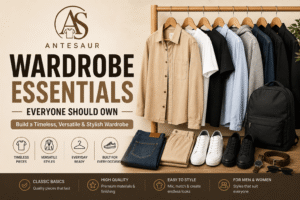
- Wardrobe Essentials Everyone Should Own
- How to Choose the Right T-Shirt Size
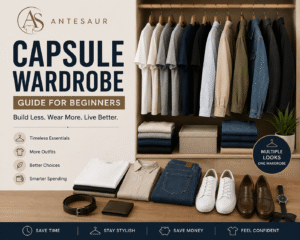
- Capsule Wardrobe Guide for Beginners
- Best T-Shirts for Summer in India
Final Thoughts
Finding your personal style is a journey of understanding yourself rather than following every fashion trend. A wardrobe built around your lifestyle, body type, and preferences makes getting dressed easier, saves money, and helps you feel more confident every day.
Remember that style is personal. There is no single “perfect” way to dress. The best outfits are those that make you feel comfortable, authentic, and prepared for the occasion.
Start with versatile basics, focus on proper fit, experiment with colours thoughtfully, and build your wardrobe gradually. Over time, you’ll develop a style that feels natural and reflects who you are.
Fashion trends will come and go, but a well-defined personal style will continue to serve you for years.
Summary
Key Takeaways:
- Personal style reflects your personality and lifestyle.
- Focus on fit, comfort, and quality over trends.
- Build a versatile wardrobe with timeless essentials.
- Shop with intention instead of impulse.
- Let your style evolve naturally over time.