Introduction
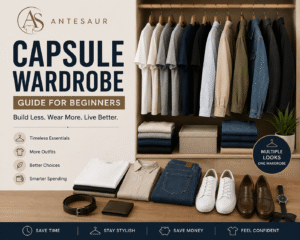
A stylish wardrobe isn’t about owning hundreds of clothes—it’s about owning the right clothes. Many people fill their wardrobes with trendy pieces that are rarely worn, making it difficult to create outfits for everyday life. A well-planned wardrobe focuses on versatile essentials that can be mixed and matched for different occasions, helping you save time, reduce unnecessary shopping, and always look put together.
Wardrobe essentials are timeless clothing items that never go out of style. They form the foundation of your outfits, whether you’re dressing for college, work, travel, casual outings, or special occasions. Instead of chasing every fashion trend, investing in quality basics allows you to create countless outfit combinations with fewer pieces.
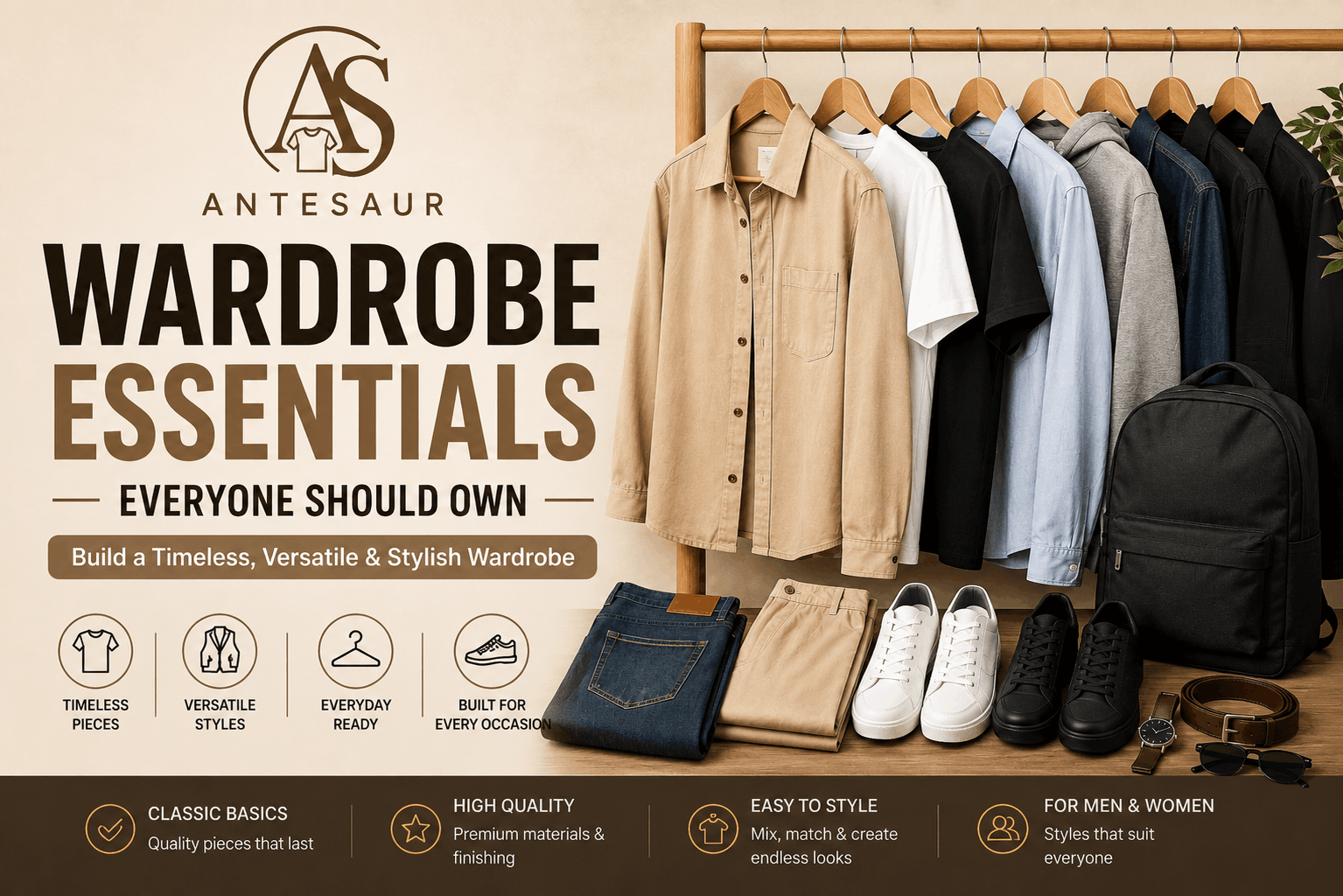
For both men and women, wardrobe essentials include items like plain T-shirts, well-fitted jeans, comfortable footwear, neutral-colored shirts, lightweight jackets, and practical accessories. These pieces work together effortlessly, making daily outfit selection much easier.
Building a wardrobe doesn’t require a large budget. It’s better to buy a few high-quality essentials that last for years than to purchase many low-quality items that quickly wear out. Quality, fit, and versatility should always be your priorities.
In this guide, you’ll discover the must-have wardrobe essentials, learn why each piece matters, understand how to build a functional wardrobe step by step, and get expert advice on creating outfits that suit every season and occasion.
What Are Wardrobe Essentials?
Wardrobe essentials are timeless clothing pieces that form the foundation of your personal style. These are versatile items that can be worn repeatedly and paired with many other pieces to create different outfits.
Unlike seasonal fashion trends, wardrobe essentials remain stylish year after year. They prioritize comfort, functionality, and versatility over temporary popularity.
For example, a plain white T-shirt can be paired with jeans, chinos, shorts, or layered under a jacket. Similarly, a pair of dark blue jeans works well with casual T-shirts, polo shirts, shirts, and sweaters.
Wardrobe essentials help simplify your daily routine because you always have reliable clothing options available. They also reduce decision fatigue and encourage smarter shopping habits.
Why Every Wardrobe Needs Essentials
Building a wardrobe around essentials offers several practical benefits.
1. Saves Time
When every item coordinates with the rest of your wardrobe, getting dressed becomes quick and effortless.
2. Saves Money
Instead of buying clothes impulsively, you invest in pieces that you’ll wear regularly, reducing unnecessary spending.
3. Creates More Outfit Combinations
A small collection of versatile essentials can create dozens of unique outfits simply by mixing and matching different pieces.
4. Works for Every Occasion
Wardrobe essentials can easily transition from casual outings to office wear with just a few styling changes.
5. Never Go Out of Style
Timeless basics remain fashionable regardless of changing trends, making them a smart long-term investment.
Must-Have Clothing Items
1. Plain White T-Shirt
Every wardrobe should begin with a high-quality white crew neck T-shirt.
It pairs perfectly with:
- Blue Jeans
- Black Jeans
- Chinos
- Shorts
- Jackets
- Overshirts
A well-fitted white T-shirt is suitable for almost every casual occasion.
2. Plain Black T-Shirt
A black T-shirt is equally versatile and creates a clean, modern appearance.
Best paired with:
- Grey Jeans
- Blue Denim
- Olive Chinos
- White Sneakers
It’s perfect for evening outings and smart casual looks.
3. Blue Denim Jeans
Dark blue jeans are among the most versatile clothing items you can own.
They work well with:
- White T-Shirts
- Polo Shirts
- Casual Shirts
- Hoodies
- Jackets
Choose a slim or straight fit for maximum versatility.
4. Black Jeans
Black jeans provide a sleek and polished appearance.
They pair easily with:
- White Shirts
- Beige Overshirts
- Grey Hoodies
- Polo T-Shirts
Ideal for casual dinners, travel, and weekend outings.
5. White Oxford Shirt
A crisp white shirt is a wardrobe essential for both men and women.
Suitable for:
- Office wear
- Interviews
- Formal events
- Smart casual occasions
It can also be layered under sweaters or blazers for a more refined look.
Must-Have Wardrobe Essentials
Building a timeless wardrobe means adding versatile pieces that can be worn throughout the year. Once you have your basic T-shirts, jeans, and shirts, it’s time to add layering pieces, comfortable bottoms, and reliable footwear.
6. Polo T-Shirts
A polo T-shirt sits perfectly between casual and formal wear. It’s ideal when you want to look more polished without wearing a dress shirt.
Why Every Wardrobe Needs One
- Comfortable for daily wear
- Suitable for office casual looks
- Easy to style
- Never goes out of fashion
Best Colors
- Navy Blue
- White
- Black
- Grey
- Olive Green
Style Ideas
Men
- Navy Polo + Beige Chinos + White Sneakers
Women
- White Polo + Blue Jeans + White Sneakers
Perfect for:
- Office
- Family gatherings
- Casual meetings
- Travel
7. Overshirt
Overshirts have become one of the most practical wardrobe essentials.
They can be worn:
- Open over a T-shirt
- Buttoned like a shirt
- Layered with jackets
Best Colors
- Beige
- Olive Green
- Black
- Grey
- Brown
Outfit Example
- White Crew Neck T-Shirt
- Beige Overshirt
- Blue Jeans
- White Sneakers
This combination works throughout most of the year.
8. Lightweight Hoodie
Every wardrobe should include at least one quality hoodie.
Choose neutral colors like:
- Grey
- Black
- Navy
- Beige
Perfect for:
- Winter mornings
- Travel
- College
- Airport outfits
- Weekend wear
Avoid oversized logos if you’re building a timeless wardrobe.
9. Casual Jacket
A lightweight jacket instantly upgrades simple outfits.
Great Options
- Denim Jacket
- Bomber Jacket
- Harrington Jacket
- Lightweight Utility Jacket
Best Colors
- Black
- Navy
- Olive
- Beige
Outfit Example
- White T-Shirt
- Blue Jeans
- Black Jacket
- White Sneakers
Simple yet stylish.
10. Chinos
Many people wear only jeans.
Adding chinos gives your wardrobe more variety.
Best Colors
- Beige
- Khaki
- Olive
- Navy
- Black
Perfect for:
- Office
- Dinner
- College
- Smart casual events
11. Comfortable Shorts
For hot weather, quality shorts are essential.
Choose:
- Cotton Shorts
- Chino Shorts
Avoid overly flashy prints if versatility is your goal.
Recommended colors:
- Beige
- Black
- Navy
- Olive
Essential Footwear Everyone Should Own
Shoes complete every outfit.
Instead of owning many pairs, start with versatile options.
1. White Sneakers
The most versatile footwear.
Matches:
- Jeans
- Shorts
- Chinos
- Joggers
Suitable for almost every casual occasion.
2. Black Sneakers
Ideal for darker outfits.
Perfect with:
- Black Jeans
- Grey Jeans
- Olive Pants
Easy to maintain and highly practical.
3. Brown Loafers
Excellent for smart casual occasions.
Wear with:
- Chinos
- Polo T-Shirts
- Casual Shirts
Perfect for office wear and dinners.
4. Running Shoes
Every wardrobe needs comfortable shoes for:
- Walking
- Gym
- Travel
- Daily errands
Prioritize comfort over appearance for athletic footwear.
Essential Accessories
Accessories should complement your wardrobe without overpowering it.
Minimal Watch
A classic watch adds sophistication to any outfit.
Choose:
- Black Strap
- Brown Leather Strap
- Silver Metal Bracelet
Leather Belt
A quality belt should match your footwear whenever possible.
Recommended colors:
- Black
- Brown
Sunglasses
Select frames that suit your face shape.
Classic styles include:
- Wayfarer
- Aviator
- Round Frames
Neutral colors like black, tortoise shell, or brown offer maximum versatility.
Backpack or Tote Bag
Choose a clean, minimal design in:
- Black
- Grey
- Navy
- Tan
A practical bag completes both casual and work-ready outfits.
Seasonal Wardrobe Essentials
Summer
Focus on lightweight, breathable clothing.
Essentials:
- Cotton T-Shirts
- Linen Shirts
- Chino Shorts
- White Sneakers
- Sunglasses
Preferred colors:
- White
- Beige
- Sky Blue
- Light Grey
Monsoon
Choose quick-drying and darker shades.
Essentials:
- Lightweight Jacket
- Dark Jeans
- Waterproof Sneakers
- Umbrella
Preferred colors:
- Navy
- Black
- Olive
Winter
Layering becomes important.
Essentials:
- Hoodies
- Sweaters
- Jackets
- Boots
- Thermal Wear
Preferred colors:
- Black
- Charcoal
- Brown
- Camel
- Olive Green
Capsule Wardrobe Starter List
If you’re building your wardrobe from scratch, start with these essentials:
- 3 Plain T-Shirts (White, Black, Grey)
- 2 Polo T-Shirts
- 2 Shirts (White, Light Blue)
- 2 Jeans (Blue, Black)
- 2 Chinos (Beige, Olive)
- 1 Hoodie
- 1 Casual Jacket
- 1 Pair of White Sneakers
- 1 Pair of Black Sneakers
- 1 Leather Belt
- 1 Watch
With these basics, you can create 30+ outfit combinations without owning a large wardrobe.
Common Wardrobe Mistakes to Avoid
Building a great wardrobe isn’t only about buying the right clothes—it’s also about avoiding common mistakes. Many people spend a lot of money on fashion but still struggle to create stylish outfits because they overlook the basics.
Let’s explore the most common wardrobe mistakes and how to avoid them.
1. Buying Clothes Without a Plan
One of the biggest mistakes is shopping impulsively.
You enter a store looking for one T-shirt but leave with clothes that don’t match anything you already own.
This leads to:
- A crowded wardrobe
- Wasted money
- Fewer outfit combinations
Better Approach
Before shopping, make a list of what your wardrobe actually needs.
For example:
- White T-Shirt
- Blue Jeans
- Beige Chinos
- White Sneakers
Buying with a purpose helps you build a functional wardrobe over time.
2. Choosing Quantity Over Quality
Owning twenty low-quality T-shirts isn’t better than owning five well-made ones.
Cheap clothing often:
- Loses shape
- Fades quickly
- Shrinks after washing
- Feels uncomfortable
Investing in better-quality basics saves money in the long run because they last longer and maintain their appearance.
3. Ignoring Proper Fit
Even expensive clothing looks poor if it doesn’t fit correctly.
When buying clothes, check:
- Shoulder fit
- Sleeve length
- Waist fit
- Trouser length
- Comfort while moving
A properly fitted basic outfit often looks better than a trendy outfit with poor fitting.
4. Buying Only Trendy Clothing
Fashion trends come and go.
Oversized fits, bold graphics, or viral styles may not remain fashionable for long.
If your wardrobe consists only of trendy items, it can quickly feel outdated.
Instead
Build your wardrobe around timeless essentials and add a few trend-driven pieces each season.
5. Ignoring Neutral Colors
Some wardrobes are filled with bright colors that don’t work together.
Neutral colors make outfit planning much easier.
Recommended foundation colors:
- White
- Black
- Grey
- Navy
- Beige
- Olive Green
These shades pair effortlessly with almost everything.
6. Wearing Worn-Out Clothing
Old clothes with fading colors, stretched collars, holes, or damaged fabric can affect your overall appearance.
Regularly inspect your wardrobe and replace items that are no longer in good condition.
A small wardrobe with well-maintained clothing always looks better than a large collection of worn-out pieces.
7. Forgetting Footwear
People often spend time choosing clothes but ignore their shoes.
Clean and well-maintained footwear can significantly improve your overall look.
Essential footwear includes:
- White Sneakers
- Black Sneakers
- Brown Loafers
- Running Shoes
Keep them clean and in good condition.
8. Keeping Clothes You Never Wear
Many wardrobes contain clothes that haven’t been worn in years.
Ask yourself:
- Have I worn this in the last year?
- Does it still fit?
- Does it match my style?
If the answer is no, consider donating or recycling it.
A clutter-free wardrobe makes getting dressed much easier.
Expert Tips for Building a Better Wardrobe
Fashion experts recommend focusing on versatility rather than quantity.
Here are practical tips to help you build a wardrobe you’ll actually use.
Tip 1: Buy Versatile Pieces
Every new clothing item should work with multiple outfits.
Before purchasing, ask:
“Can I wear this with at least three items I already own?”
If not, reconsider the purchase.
Tip 2: Build Slowly
There’s no need to replace your entire wardrobe overnight.
Start with:
- White T-Shirt
- Black T-Shirt
- Blue Jeans
- White Sneakers
Gradually add shirts, jackets, chinos, and accessories.
Building slowly leads to better decisions and less waste.
Tip 3: Focus on Neutral Colors First
Neutral colors create endless outfit possibilities.
Start with:
- White
- Black
- Grey
- Navy
- Beige
After building a strong foundation, add colors like:
- Olive Green
- Burgundy
- Rust
- Forest Green
Tip 4: Organize Your Wardrobe
A well-organized wardrobe saves time.
Group clothing by category:
- T-Shirts
- Shirts
- Jeans
- Chinos
- Jackets
- Shoes
- Accessories
You’ll immediately see what you own and avoid buying duplicates.
Tip 5: Follow the One-In, One-Out Rule
Whenever you buy a new clothing item, consider removing one that you no longer wear.
This prevents unnecessary clutter and keeps your wardrobe fresh.
Tip 6: Learn Basic Clothing Care
Taking care of your clothes extends their lifespan.
Remember to:
- Follow washing instructions.
- Avoid excessive heat when drying.
- Fold knitwear properly.
- Hang shirts and jackets.
- Store seasonal clothing neatly.
Good maintenance keeps your wardrobe looking new for longer.
Tip 7: Confidence Is the Best Accessory
Even the perfect wardrobe won’t have the desired effect if you don’t wear it with confidence.
Choose clothes that make you feel comfortable, reflect your personality, and suit your lifestyle.
Confidence is what truly completes an outfit.
Best Practices
| Do | Don’t |
|---|---|
| Invest in timeless essentials | Buy every fashion trend |
| Prioritize fit and comfort | Ignore sizing |
| Build your wardrobe gradually | Replace everything at once |
| Choose quality over quantity | Buy cheap clothes repeatedly |
| Wear versatile neutral colors | Fill your wardrobe with random colors |
| Organize your wardrobe regularly | Keep clothes you never wear |
| Maintain your clothing | Ignore washing and care instructions |
| Buy with a plan | Shop impulsively |
Real-Life Examples
Example 1: The College Student
Rahul had a wardrobe full of graphic T-shirts but struggled to create matching outfits.
He simplified his wardrobe to:
- White T-Shirt
- Black T-Shirt
- Blue Jeans
- Beige Chinos
- White Sneakers
With fewer clothes, he created more outfit combinations and spent less time deciding what to wear.
Example 2: The Working Professional
Priya often bought trendy clothes that she rarely wore to work.
She replaced them with:
- White Shirts
- Navy Trousers
- Beige Blazers
- Black Loafers
Her wardrobe became more practical, professional, and easier to style.
Example 3: The Frequent Traveler
Aman wanted a wardrobe suitable for travel without carrying too many clothes.
He packed:
- 3 Plain T-Shirts
- 2 Jeans
- 1 Chino
- 1 Hoodie
- 1 Jacket
- White Sneakers
Using layering and neutral colors, he created over 20 different outfit combinations from a compact travel wardrobe.
Frequently Asked Questions (FAQs)
1. What are wardrobe essentials?
Wardrobe essentials are timeless clothing pieces that form the foundation of your wardrobe. These versatile items can be mixed and matched to create multiple outfits for different occasions without going out of style.
2. How many wardrobe essentials do I need?
You don’t need hundreds of clothes. A beginner can build a practical wardrobe with 20–30 quality essentials, including T-shirts, jeans, shirts, chinos, jackets, shoes, and accessories. The focus should be on versatility rather than quantity.
3. Which colors are best for wardrobe essentials?
Neutral colors are the easiest to style because they match almost everything.
Recommended colors include:
- White
- Black
- Grey
- Navy Blue
- Beige
- Olive Green
These shades create a strong foundation for any wardrobe.
4. Should I buy expensive clothing?
Not necessarily. Quality matters more than price.
Choose clothing with:
- Good fabric
- Proper stitching
- Comfortable fit
- Durable construction
A well-made basic item often provides better value than a trendy expensive piece.
5. How often should I replace wardrobe essentials?
Replace essentials when they show noticeable signs of wear, such as:
- Faded colors
- Stretched collars
- Holes
- Damaged fabric
- Poor fit
With proper care, quality basics can last several years.
6. Can a small wardrobe still be stylish?
Absolutely.
A capsule wardrobe with versatile essentials often creates more outfit combinations than a large wardrobe filled with random clothing.
The goal is to own clothes that work well together.
7. What’s the difference between wardrobe essentials and fashion trends?
Wardrobe essentials are timeless pieces that remain stylish for years.
Fashion trends change every season and may quickly become outdated.
Build your wardrobe around essentials first, then add a few trend-based pieces if they suit your personal style.
8. Which shoes should everyone own?
A practical wardrobe should include:
- White Sneakers
- Black Sneakers
- Brown Loafers
- Running Shoes
These four options cover most everyday situations.
9. How do I organize my wardrobe?
Sort your clothing into categories such as:
- T-Shirts
- Shirts
- Jeans
- Chinos
- Jackets
- Shoes
- Accessories
Review your wardrobe every six months and remove items you no longer wear.
10. What’s the biggest wardrobe mistake?
The biggest mistake is buying clothes without considering how they’ll work with the rest of your wardrobe.
Before purchasing, ask yourself:
- Will I wear it regularly?
- Does it match at least three other items?
- Does it fit my lifestyle?
- Is the quality worth the price?
Quick Wardrobe Checklist
Before buying any clothing item, check the following:
- ✅ Does it fit properly?
- ✅ Is it comfortable?
- ✅ Does it match multiple outfits?
- ✅ Is the color versatile?
- ✅ Is the fabric durable?
- ✅ Will I wear it regularly?
- ✅ Is it suitable for my lifestyle?
- ✅ Is it worth the price?
If most of your answers are Yes, it’s likely a smart addition to your wardrobe.
Myth vs Reality
| Myth | Reality |
|---|---|
| A bigger wardrobe means better style. | A smaller wardrobe with versatile essentials is often more practical. |
| Expensive brands always look better. | Fit, quality, and styling matter more than the logo. |
| You need to follow every fashion trend. | Timeless essentials stay stylish year after year. |
| Neutral colors are boring. | Neutral colors make outfit planning easier and more versatile. |
| More clothes create more outfit options. | Smart combinations of essentials create the most outfits. |
Final Thoughts
A well-built wardrobe isn’t measured by the number of clothes you own—it’s measured by how effectively those clothes work together.
By investing in timeless essentials such as plain T-shirts, well-fitted jeans, quality shirts, versatile jackets, comfortable footwear, and simple accessories, you create a wardrobe that suits almost every occasion. These pieces save time, reduce unnecessary shopping, and make getting dressed easier every day.
Instead of chasing every new trend, focus on clothing that fits well, complements your lifestyle, and can be mixed into multiple outfits. Over time, your wardrobe will become more practical, stylish, and cost-effective.
Remember, great style starts with a strong foundation. Build that foundation with quality essentials, maintain them well, and let your personal style grow naturally.
Key Takeaways
- Build your wardrobe around timeless essentials.
- Prioritize quality, fit, and comfort over trends.
- Start with neutral colors for maximum versatility.
- Buy clothes that work with multiple outfits.
- Keep your wardrobe organized and clutter-free.
- Maintain your clothing to extend its lifespan.
- A small, well-planned wardrobe is more valuable than a large, unorganized one.