A good haircut can change how your whole face looks. It can soften sharp angles, add length, create balance and even make you look more confident. A haircut that does not suit your face, on the other hand, can make you feel uncomfortable even if the cut itself is trendy.
That is why choosing a hairstyle based on face shape is such a helpful method. The idea is simple: your hair frames your face, so the right frame highlights your best features and balances your proportions. In this guide, we cover the best hairstyles for six common face shapes, for both men and women, along with styles to be careful with and practical tips for talking to your barber or stylist.
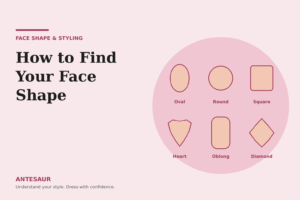
If you have not yet identified your shape, start with our step-by-step guide on how to find your face shape and then return here.
The Basic Idea: Balance and Proportion
Hairstyling for face shape works on balance. Here are the core principles.
- Add volume where you want width. For example, volume at the sides softens a long face.
- Add height or length where you want to lengthen. A bit of height on top elongates a round face.
- Soften angles with curves or layers. Layers and waves balance strong jawlines.
- Add structure to soft shapes. Sharper lines or fades can add definition to rounder faces.
- Frame the face. Hair that falls around the face draws attention to the eyes and cheekbones.
Remember, these are suggestions. Hair texture, density, lifestyle and personal taste matter just as much as face shape.
Hairstyles for Oval Faces
Oval faces are well balanced, with a slightly narrower jaw and a gently rounded chin. They suit many hairstyles, so the key is to choose styles that do not hide the natural proportions.
For Women
- Long layers: Soft layers add movement without changing the balance.
- Blunt bob or lob: Highlights the jawline and neck.
- Side-swept bangs or curtain bangs: Frame the face gently.
- Sleek ponytails or buns: Show off the whole face shape.
For Men
- Classic taper or fade with textured top: Clean and balanced.
- Side part: Smart and formal.
- Quiff or pompadour: Adds height while keeping balance.
- Medium-length waves: Relaxed and modern.
What to Be Careful With
Heavy bangs that cover most of the forehead may hide your balanced proportions. Very flat styles can also look unflattering if they lack shape.
Hairstyles for Round Faces
Round faces have similar width and length, with soft cheeks and a rounded chin. The aim is usually to add length and definition.
For Women
- Long layers below the shoulders: Create vertical lines.
- Long bob (lob) that ends below the chin: Elongates the face.
- Side-swept bangs: Add angles and break roundness.
- High ponytails or top knots: Add height.
- Soft waves with volume at the crown: Lift the shape upward.
For Men
- Pompadour or quiff: Adds height on top.
- Undercut or high fade with volume on top: Creates a strong vertical shape.
- Textured crop with a side fringe: Adds angles.
- Short sides with longer top: Elongates the face.
What to Be Careful With
Chin-length bobs with full volume at the sides can emphasise width. Very short, rounded cuts and thick bangs cut straight across may also make the face look rounder.
Hairstyles for Square Faces
Square faces have a strong jaw, a broad forehead and straight sides. The aim is typically to soften angles or celebrate the strong structure.
For Women
- Soft layers and waves: Add movement around the jawline.
- Side-swept bangs: Soften the forehead.
- Long, textured styles: Draw attention away from the jaw.
- Messy buns and loose braids: Create relaxed shapes.
For Men
- Short crop or buzz cut: Embrace the strong jawline.
- Textured quiff: Adds some softness on top.
- Side-swept styles: Create angles that balance the face.
- Medium-length hair with texture: Softens the jawline.
What to Be Careful With
Straight, blunt cuts that end at the jaw can emphasise corners. Very sharp, boxy styles can also add to the squareness.
Hairstyles for Heart-Shaped Faces
Heart-shaped faces are wider at the forehead with a narrower chin. Hairstyles usually aim to add width near the jaw and soften the forehead.
For Women
- Chin-length bobs: Add fullness around the jawline.
- Side-swept bangs or long curtain bangs: Soften a wide forehead.
- Layered cuts with volume at the ends: Balance a narrow chin.
- Waves and curls from the mid-length down: Add width at the bottom.
For Men
- Medium-length hair with a side part: Softens the forehead.
- Textured fringe: Covers part of the forehead.
- Short sides with some length on top: Creates balance.
- Light stubble or short beard: Adds fullness to the chin area.
What to Be Careful With
Heavy volume at the crown and very short, tight sides may make the forehead look even wider. Slicked-back hair that fully exposes the forehead can also emphasise the width, though some people like this look.
Hairstyles for Oblong (Long) Faces
Oblong faces are longer than they are wide. The aim is to reduce the sense of length and add width.
For Women
- Layered bobs and lobs: Add volume at the sides.
- Full bangs or curtain bangs: Shorten the forehead.
- Soft curls and waves: Add width.
- Shoulder-length cuts with volume: Balance a longer face.
For Men
- Medium-length hair with side volume: Adds width.
- Fringe or textured forward styles: Shorten the forehead.
- Classic side part with a fuller side: Balances the face.
- Short, neat beard: Adds fullness at the jaw if desired.
What to Be Careful With
Very long, straight, flat hair emphasises length. Tall, high-volume styles, such as big quiffs or very high updos, may add even more height.
Hairstyles for Diamond Faces
Diamond faces have wide cheekbones and narrower foreheads and jawlines. The aim is generally to soften the cheekbones and add width at the forehead and chin.
For Women
- Side-swept bangs: Add width at the forehead.
- Chin-length bobs with layers: Add fullness at the jaw.
- Soft, shoulder-length cuts: Frame the face nicely.
- Half-up styles: Keep hair off the face while adding width at the top.
For Men
- Textured fringe or forward-swept styles: Add width at the forehead.
- Medium-length hair with side volume: Softens cheekbones.
- Short, neat beard: Adds fullness at the jawline.
- Classic taper with textured top: Keeps things balanced.
What to Be Careful With
Hair slicked straight back may highlight the cheekbones too strongly. Very short sides with little volume can also make the cheekbones look more prominent.
Quick Reference Table
| Face Shape | Hair Goal | Women’s Ideas | Men’s Ideas |
| Oval | Maintain balance | Long layers, lob | Taper, quiff |
| Round | Add length and angles | Long layers, side bangs | Pompadour, undercut |
| Square | Soften angles | Waves, layers | Short crop, textured top |
| Heart | Balance forehead and chin | Chin-length bob, curtain bangs | Textured fringe, side part |
| Oblong | Add width | Layered bob, full bangs | Side volume, fringe |
| Diamond | Add width at top and chin | Side bangs, chin bob | Forward fringe, short beard |
Hair Texture and Density Matter Too
Face shape is only one part of the equation. Your hair type affects how a style will look in real life.
- Straight hair: Holds sharp lines and blunt cuts well. Add layers for movement.
- Wavy hair: Offers natural volume. Works well with layered cuts and medium lengths.
- Curly hair: Needs shape and care. Cuts that follow the natural curl pattern look best.
- Thick hair: Can handle structure and volume. Thinning and layering prevent bulkiness.
- Fine or thin hair: Looks fuller in blunt cuts, short bobs and styles with light layers.
A good stylist will always combine your face shape and hair texture before recommending a cut.
Tips for Talking to Your Barber or Stylist
Many people get disappointing haircuts because they cannot explain what they want. These tips help.
- Bring photos. Show two or three pictures of the style you like, ideally on someone with a similar face shape and hair type.
- Use clear words. Say “shorter on the sides, longer on top” instead of “make it neat.”
- Share your routine. Tell the stylist how much time you spend styling. Some cuts need daily effort.
- Mention your lifestyle. If you wear a helmet, a hijab or a cap, tell them so the style works in real life.
- Ask about maintenance. Know how often you will need a trim.
- Start conservative. If you are unsure, begin with a small change. Hair grows back slowly, but you can always cut more.
Pairing Your Haircut with Glasses and Beards
Hairstyle, glasses and facial hair all work together. For example, a round face with a high pompadour may look best with angular glasses. A square face with a short crop might suit slightly rounded frames. If you wear glasses, read our guide on best glasses frames for your face shape to build a balanced look.
Men with beards can also use them to adjust proportions. A fuller beard adds width and length to the jaw, while a short stubble keeps the face looking neat. A trim every week or two keeps edges sharp.
Common Hairstyle Mistakes
- Following trends without checking your face shape. A trendy cut may not suit your proportions.
- Ignoring hair texture. A style designed for straight hair may not work with curls.
- Skipping regular trims. Even the best haircut loses shape over time.
- Wearing the same style for years. Small updates keep your look fresh.
- Choosing a cut you cannot maintain. If it needs thirty minutes of styling each morning and you only have five, it will not last.
For a broader view of everyday style errors, read our guide on fashion mistakes most people make.
Frequently Asked Questions
Can I wear any hairstyle I like regardless of face shape?
Yes. Face shape guidelines are suggestions, not rules. If you love a hairstyle and feel confident in it, you should wear it.
What is the best hairstyle for a round face?
Styles that add length and height, such as layers, side-swept bangs, a pompadour or a high fade with volume on top, are common choices.
What is the best haircut for a square face?
Many people choose softer layers, waves or textured styles to balance the strong jawline. Some also prefer short crops that show off the angular structure.
Which hairstyle suits an oval face?
Almost any style works. Oval faces are very versatile, so you can choose according to your hair type, lifestyle and personal taste.
How often should I trim my hair to keep a style looking good?
For short styles and fades, every three to four weeks is common. For longer cuts, every six to eight weeks usually works well.
Final Thoughts
The best hairstyle is one that balances your face, fits your hair type and suits your daily routine. Understanding your face shape gives you a smart starting point, but personal comfort and confidence matter the most.
Use the ideas in this guide as inspiration, show reference photos to your stylist and try changes gradually. Over time, you will discover the cuts that make you feel best. For more advice on frames, accessories and personal styling, visit our Face Shape & Styling section.